
By any measure, Matt Grace has seen the evolution of sustainable construction from the very beginning.
We interviewed, Matt, a Professional Engineer, Green Buildings consultant, Built Green HD Verifier, and LEED Fellow, about sustainable construction, particularly how Modern Methods of Construction can truly help communities build better. Matt has spent more than 30 years working at the intersection of design, performance, and environmental responsibility. His career began in the UK with BREEAM (Building Research Establishment Environmental Assessment Method), one of the world’s earliest green building standards, and today continues in Calgary, where he is a Doctor of Design student at the University of Calgary’s School of Architecture, Planning, and Landscape.
“Traditionally, we pat ourselves on the back for doing less bad than before, regenerative buildings push us beyond zero impact and ask how buildings can actively make the world better.” – Matt Grace
That shift in thinking is reshaping how we design, build, and evaluate the built environment… and it’s where Modern Methods of Construction, including modular, play a critical role.
To learn more about Matt’s expertise, visit his website here.
What Regenerative Buildings Really Mean
When Matt talks about regenerative or living buildings, he’s talking about buildings that contribute positively to the world around them.
That contribution can take many forms:
- Generating more clean energy than the building uses
- Improving human health and comfort
- Reducing material waste and carbon impact
- Supporting affordable housing
- Adding beauty, art, and joy to public spaces
“There’s no reason a building can’t create excess clean energy, support healthy living, and add beauty to a community at the same time.”
In this model, buildings aren’t static objects. They’re active participants in solving some of our most pressing challenges… from climate change to housing affordability.

Why Sustainable Design Often Falls Short in Practice
Despite advancements in building codes and sustainability standards, Matt sees a persistent gap between ambition and what actually gets built. “Codes”, he explains, are designed to raise the baseline. They prevent worst-case outcomes, but they don’t reward developers for going further.
“There are very few incentives for developers to build in a way that’s regenerative. The people who pay the cost aren’t always the ones who benefit.”
Layer onto that an industry that tends to rely on precedent—doing what worked last time with small improvements—and innovation slows down.
“If you want Formula 1 performance, you can’t start with a minivan and tweak it step by step.”
True sustainability often requires rethinking the system entirely.
Consistency: When It Helps and When It Hurts
Consistency in construction can be both a strength and a weakness. From a performance standpoint, consistency is essential. High-performance buildings rely on consistent envelopes, systems, and execution. But when consistency becomes resistance to change, it holds the industry back.
“Construction is inherently cautious—and for good reasons, but that caution also makes us slow to adopt better ways of building.”
This is where Modern Methods of Construction offer a powerful alternative.
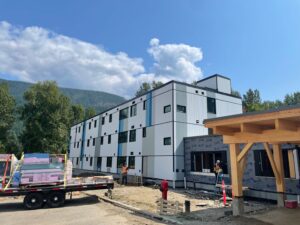
How Modular Construction Supports Sustainability
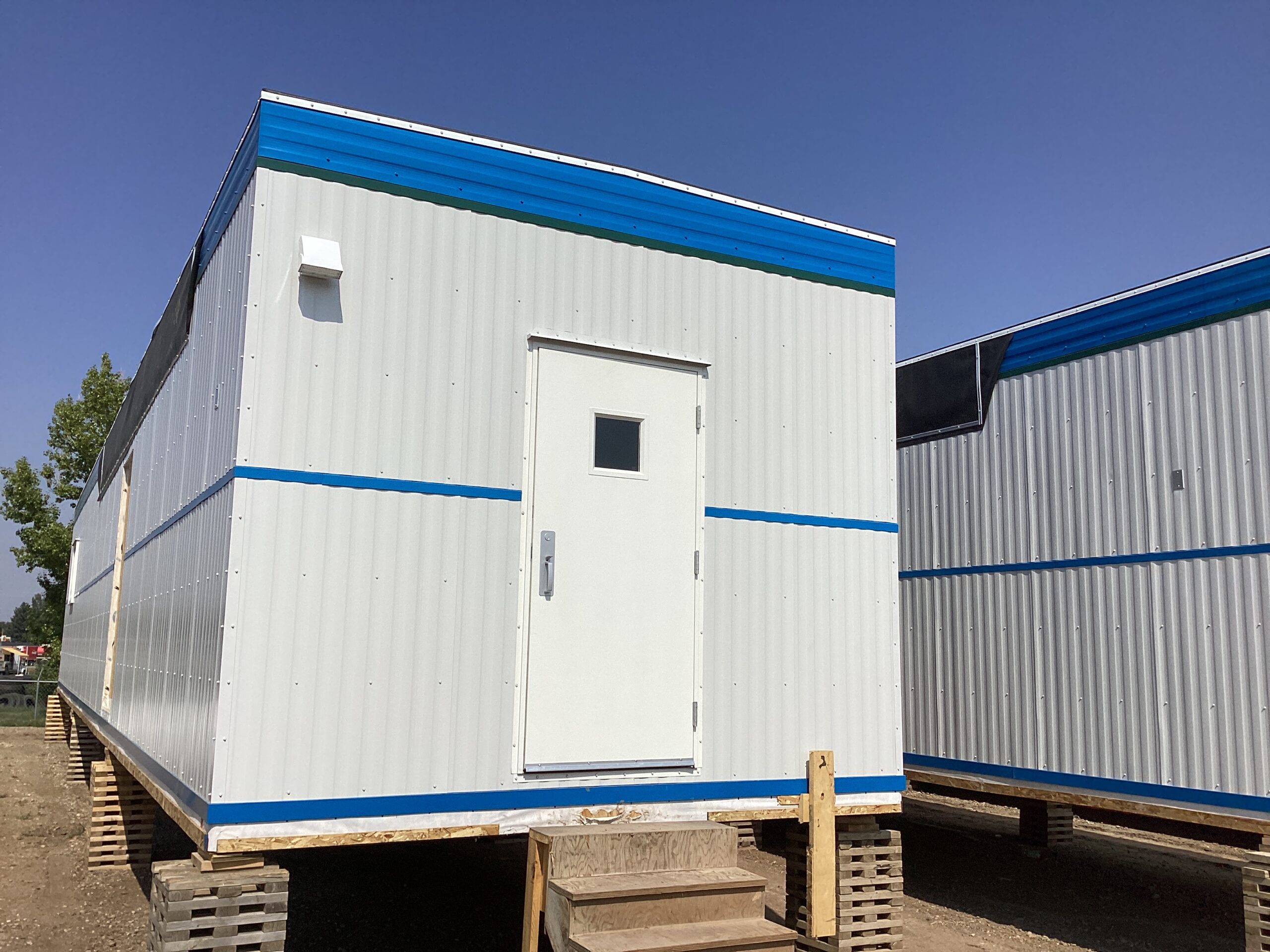
Modern Methods of Construction include prefabrication, panelized systems, and fully modular buildings and anything that shifts work from the job site into controlled factory environments.
In Matt’s view, modular construction gives projects “more horsepower.”
“Modular construction gives you stable conditions, better quality control, and dramatically reduced waste, it allows teams to move faster and adapt more quickly.”
Factory environments make it easier to:
- Achieve airtight, high-performance envelopes
- Reduce material waste
- Improve worker safety
- Deliver consistent quality at scale
But modular alone isn’t the solution.
“Modular can accelerate you toward high performance… but only if you point it in the right direction.”
Clear goals, strong leadership, and early alignment are what unlock its full potential.
Sustainability Starts With Alignment
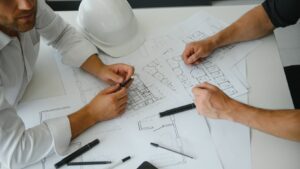
One of Matt’s most important lessons from decades of practice is that sustainable buildings succeed when project vision aligns with ownership values.
He points to Alberta’s first Living Building Challenge project—the Panda Passage at the Calgary Zoo—as a defining example.
“The moment the ownership team saw how regenerative principles aligned with their mission, everything clicked.”
From that point on, sustainability wasn’t a burden—it was a shared goal.
This same principle applies to:
- Indigenous-led projects
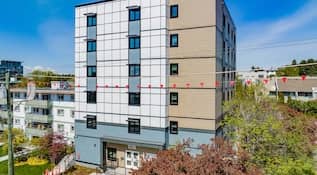
- Affordable housing developments
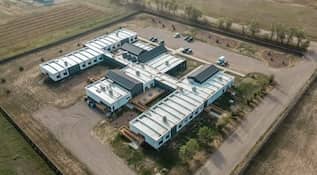
- Non-profits and community infrastructure
“If it doesn’t align with what the ownership group truly cares about, it shouldn’t be the cornerstone of the strategy.”
“Fitness for Purpose”
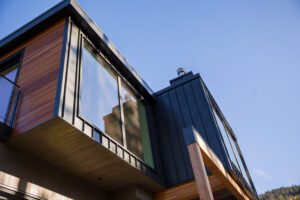
A core concept Matt returns to again and again is fitness for purpose. This is the missing piece in green buildings.
“If a building element doesn’t do the job it’s meant to do, it cannot be considered green—no matter how low impact the material is.”
A recycled window blind that doesn’t block sunlight when needed fails its purpose. Sustainability only matters once functionality is achieved.
Modular construction supports fitness for purpose by improving quality assurance and repeatability—making it easier to ensure every component performs as intended.
Designing For People, Not Just Buildings

Too often, buildings are designed for a single use case and a single moment in time.
Matt believes sustainability must include adaptability.
“We don’t design buildings well enough for change—changing users, changing climates, changing needs.”
Modular construction makes adaptability more achievable. Schools that expand and contract. Housing that responds to shifting demographics. Buildings that evolve instead of becoming obsolete.
“Sustainability isn’t just about efficiency—it’s about resilience and flexibility.”
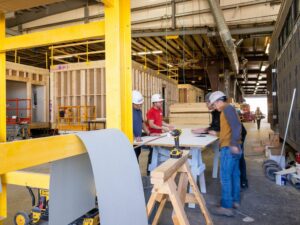
Modular’s Role in Affordable Housing and Community Impact
As governments push to address housing shortages, sustainability and affordability must go hand in hand.
“If we solve the housing crisis but create an energy affordability crisis, we’ve just moved the problem.”
Modular construction helps tackle both:
- Faster delivery of housing units
- High-performance envelopes that lower long-term energy costs
- Predictable quality and operating performance
Matt is clear that modular isn’t about replacing conventional construction. It’s about complementing it.
Watch our video on Matt’s opinion on how Modular Construction could help solve the housing crisis in Canada.
“All forms of construction have a role to play, but modular has a critical role in delivering quality, speed, and sustainability at scale.”
Building Better, Together

For Matt Grace, sustainability isn’t a checklist or a certification. It’s a mindset rooted in alignment, performance, and purpose.
“When we build, we should do no harm and actively look for ways to make the world better.”
Modern Methods of Construction give communities powerful tools to do exactly that when used thoughtfully, intentionally, and with people at the centre.