
Canada’s housing crisis is not a single-point failure. It is a systems challenge.
For decades, we have treated housing needs as isolated categories. There are homelessness programs here, affordable housing there, market housing somewhere else. And they’re often funded, delivered, and regulated independently.
Build Canada Homes (BCH) signals a shift in thinking.
By framing housing within a continuum, it recognizes that Canadians move through different housing needs over time and that strengthening key points in the system improves the whole.
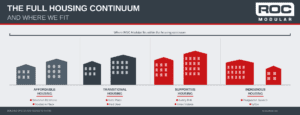
The housing continuum illustrated by BCH shows:
Homelessness → Emergency Shelter → Transitional Housing → Supportive Housing
→ Community Housing → Affordable Housing → Market Housing
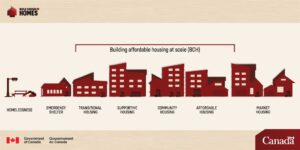
(Courtesy of Build Canada Homes)
This is more than a graphic. It is a policy lens. And policy lenses require delivery systems capable of scaling responsibly.
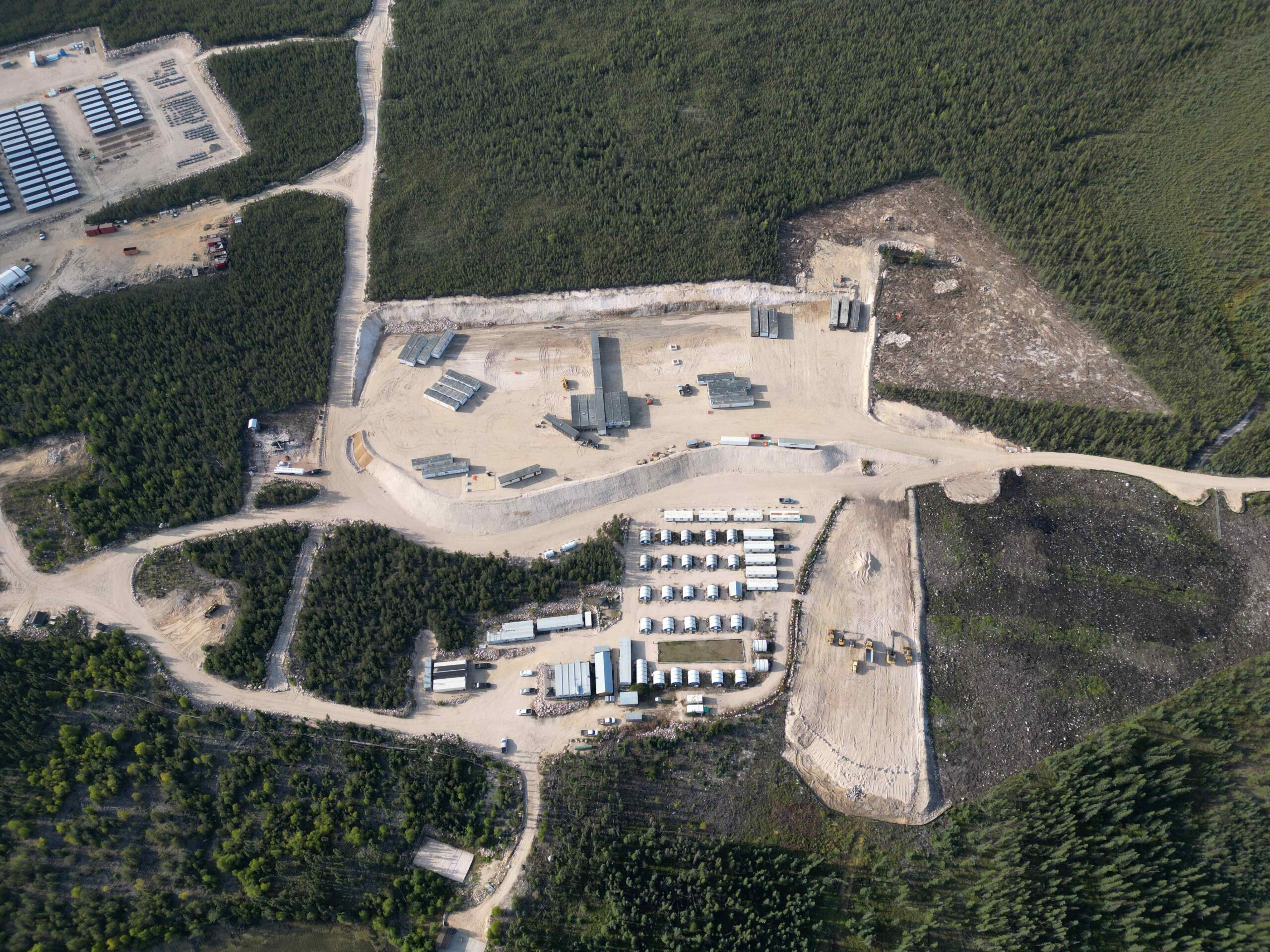
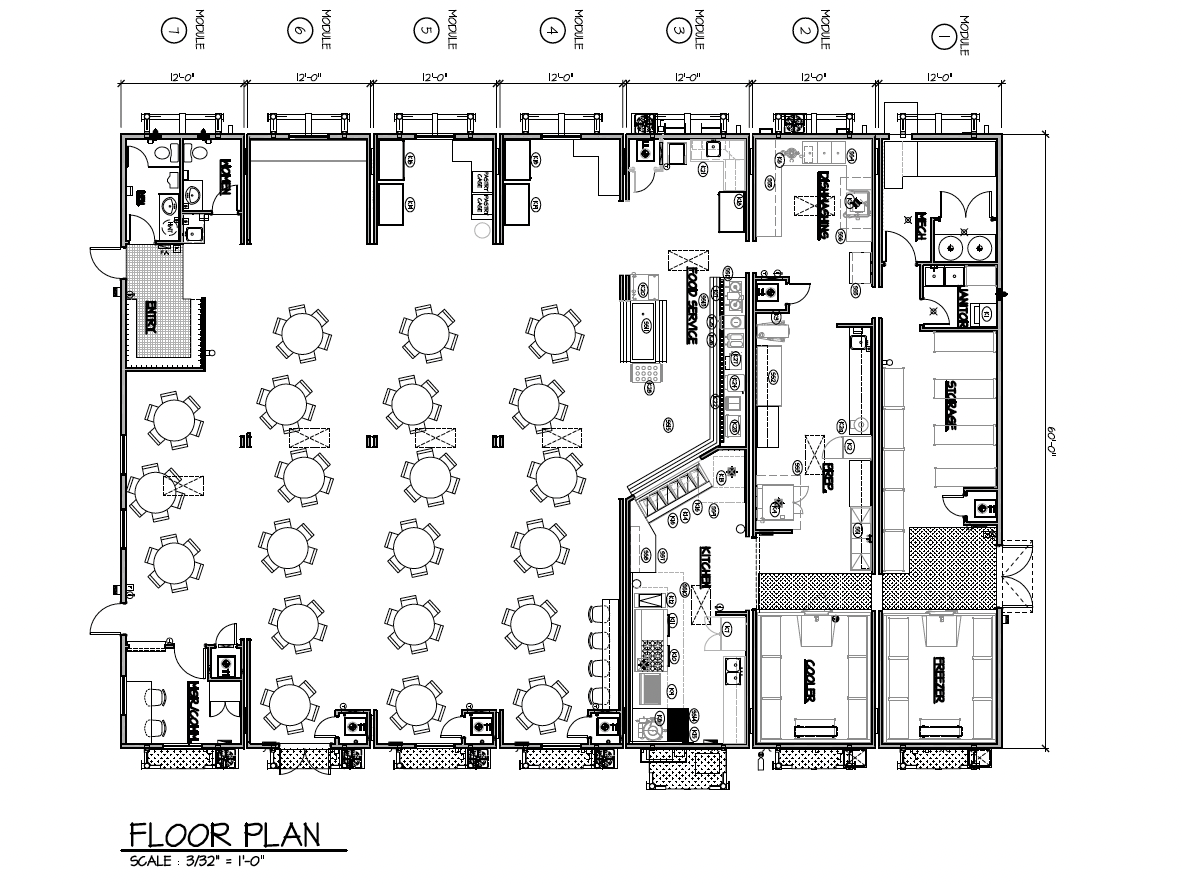
And here are some examples of how ROC Modular fits into the Full Housing Continuum.
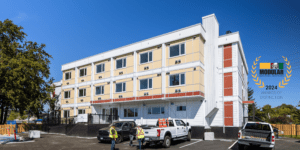
Affordable Housing:

Transitional Housing:
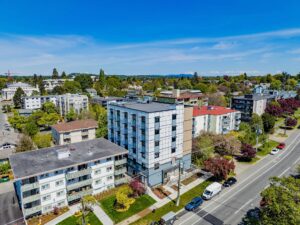
Supportive Housing:
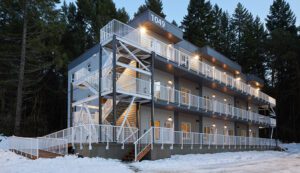
Indigenous Housing:
A Continuum Approach Demands Predictability
When governments intervene at specific points in the housing continuum, particularly transitional, supportive, community, and affordable housing, the objective is not symbolic impact.
Its measurable, durable capacity.
The takeaway for policymakers is financing mechanisms alone will not solve the crisis. But also delivery methods matter just as much as funding models. And that Canada does not lack design talent, It doesn’t lack development expertise, and it doesn’t lack intention.
What it lacks is repeatable, scalable housing production capacity aligned with policy timelines.
This is where industrialized construction, including volumetric modular, becomes strategically important.
Transitional Housing: Speed as Policy Infrastructure
Transitional housing stabilizes individuals moving out of homelessness or crisis. It is often the bridge between emergency shelter and long-term stability. From a policy perspective, delays in transitional housing delivery create bottlenecks upstream. Emergency shelters remain over capacity. Encampments persist. Social services strain.
Speed is not a convenience here, it’s policy infrastructure.
Modular reduces construction timelines by shifting production into controlled manufacturing environments. Site work and module fabrication happen simultaneously. Weather delays are minimized and quality control is standardized.
For governments trying to respond within electoral cycles or urgent community timelines, this predictability is critical. The takeaway is that if transitional housing is urgent, delivery systems need to reflect that urgency.
Supportive Housing: Integrated Delivery Requires Risk Reduction
Supportive housing integrates shelter with health, addiction, or social services. These projects often involve:
- Complex funding stacks
- Multi-agency coordination
- Strict compliance requirements
- Ongoing operational commitments
In this environment, cost overruns and timeline uncertainty undermine both financial viability and public trust. Industrialized modular delivery reduces variability. Certified frameworks like CSA A277 provide third-party quality assurance. Manufacturing environments improve consistency across units.
For policymakers and housing providers, the strategic insight means when housing includes services, the construction phase must introduce less risk… not more.
Community Housing: Scaling Beyond One-Off Projects
Community housing including non-profit, co-operative, and Indigenous-led developments is foundational to long-term affordability. But scaling community housing requires more than capital grants.
It requires:
- Repeatable designs
- Predictable procurement
- Long-term production pipelines
- Confidence in delivery capacity
If BCH succeeds in enabling bulk procurement or multi-project pipelines, manufacturers and project teams must be able to invest in capacity with confidence. Industrialized modular production allows for standardization without eliminating customization. It supports repeatability across projects while accommodating regional and cultural design requirements.
The policy takeaway is that if we want long-term affordability, we need to build production systems that allow long-term planning.
Affordable Housing: Aligning Cost with Real Household Income
Affordable housing only works if it aligns with what households can sustain. Rising construction costs, labour shortages, and schedule overruns have made affordability harder to maintain. Risk is expensive. Delays are expensive. Uncertainty is expensive.
Volumetric modular reduces exposure to:
- Weather delays
- Labour variability
- Supply chain disruption
- On-site inefficiencies
When scaling affordable housing programs, even small percentage improvements in predictability can translate into significant savings across hundreds or thousands of units.
The strategic takeaway here is that affordability at scale requires industrial discipline in delivery.
Have a look at one of our Affordable Housing projects
And for the full Case Study, click here
The Broader Policy Implication
Build Canada Homes represents more than funding support. It reflects a willingness to think systemically. But systemic thinking must be matched with systemic production capacity. Canada cannot meet housing targets through fragmented, one-off builds alone.
It requires:
- Industrialized construction capacity
- Workforce development aligned with manufacturing
- Long-term procurement pipelines
- Cross-sector collaboration between government, developers, GCs, designers, and manufacturers
Modular construction is not a replacement for traditional construction. It is a complementary tool that enables scale when scale is required.
What the Industry Should Take Away
For municipalities and government agencies
The delivery method is a strategic policy decision. Evaluate industrialized construction as part of your risk mitigation framework.
For developers and general contractors:
Modern Methods of Construction are not competitive threats. They are productivity tools that allow you to participate in larger pipelines with greater certainty.
For non-profit and Indigenous housing providers:
Repeatable delivery frameworks can strengthen long-term affordability strategies and reduce exposure to cost escalation.
For manufacturers:
If BCH enables bulk procurement, readiness and quality assurance will determine who can scale responsibly.
The Opportunity
Canada’s housing needs are diverse. The solutions must be equally diverse. Build Canada Homes strengthens critical points along the housing continuum. But achieving its objectives will require production systems that match policy ambition.
Modular is already proven across Canada in multi-storey, supportive, and community housing projects. The opportunity now is not experimentation.
And its all about alignment.
- Alignment between policy and production.
- Alignment between urgency and delivery.
- Alignment between affordability goals and industrial capability.
Canada’s housing continuum is clear, but the next question is whether we will build in a way that matches it.
Explore our Build Canada Homes Knowledge Base to see how modular can accelerate affordable housing delivery.
https://rocmodular.com/buildcanadahomes/