
Canada’s housing system just shifted into production mode. For years, Canada’s housing response has sounded like this:
More funding announced.
More strategies released.
More targets set.
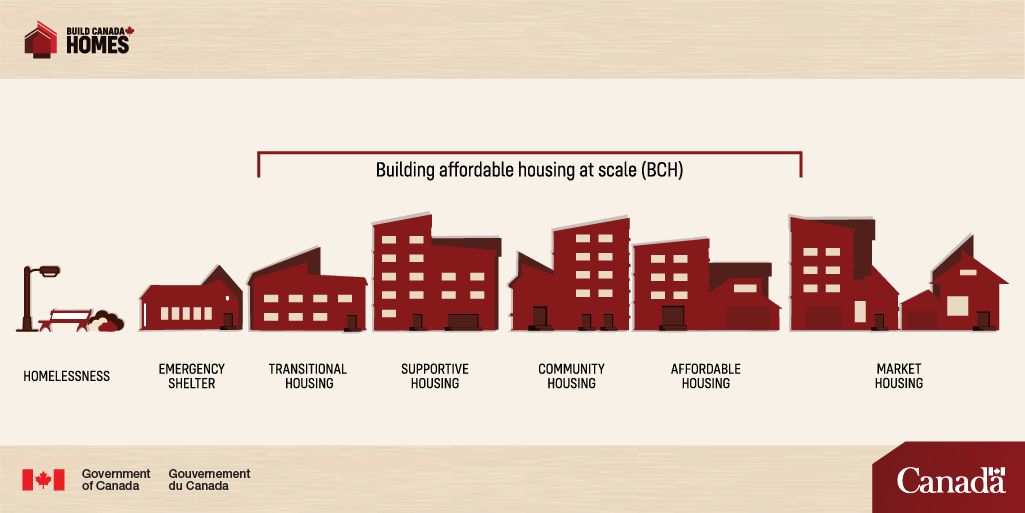
Build Canada Homes marks the moment where that pattern breaks. With six District Build sites advancing, land activated, capital committed, and procurement underway, Build Canada Homes is no longer preparing to act. It’s ready to produce and deliver housing at scale.
From Policy Engine to Production Engine
Every large build goes through two very different phases. The first is planning. This means we’re aligning stakeholders, securing land, approvals, and financing. The second is production. This is where timelines, logistics, and execution decide whether anything actually gets built.
Build Canada Homes has crossed that line.
This is where Requests for Qualifications are issues, federal sites are unlocked, municipal approvals are being streamlined or waived, and projects are queued for 2026 groundbreakings.
This is no longer a housing vision, it’s a housing pipeline.
Why This Moment Changes Everything
Think of Build Canada Homes like a factory that’s been designed, staffed, and tested. For the first time, Canada has a federal housing agency that controls land, aligns capital, reduces approval friction and actively selects delivery methods that scale.
That last point matters.
You don’t meet production deadlines with one-off, site-built approaches. You meet them with repeatable systems. That’s why modular and factory-built construction sit at the center of BCH’s delivery strategy.
Production Requires Manufacturing, Not Just Builders
When thousands of homes are scheduled across multiple regions, the constraint stops being ideas and starts being ideas and starts being throughput.
“How many units can be produced per month?”
“How predictable are costs?”
“How resilient is the schedule to labour or weather disruptions?”
These questions are where modular construction shifts from “alternative” to infrastructure.
Factory-built housing works like an assembly line:
- Multiple homes produced simultaneously
- Site work and building fabrication happen in parallel
- Quality is controlled, not inspected after the fact
- Schedules are measured in weeks, not seasons
Build Canada Homes isn’t experimenting with modules. It’s deploying it.
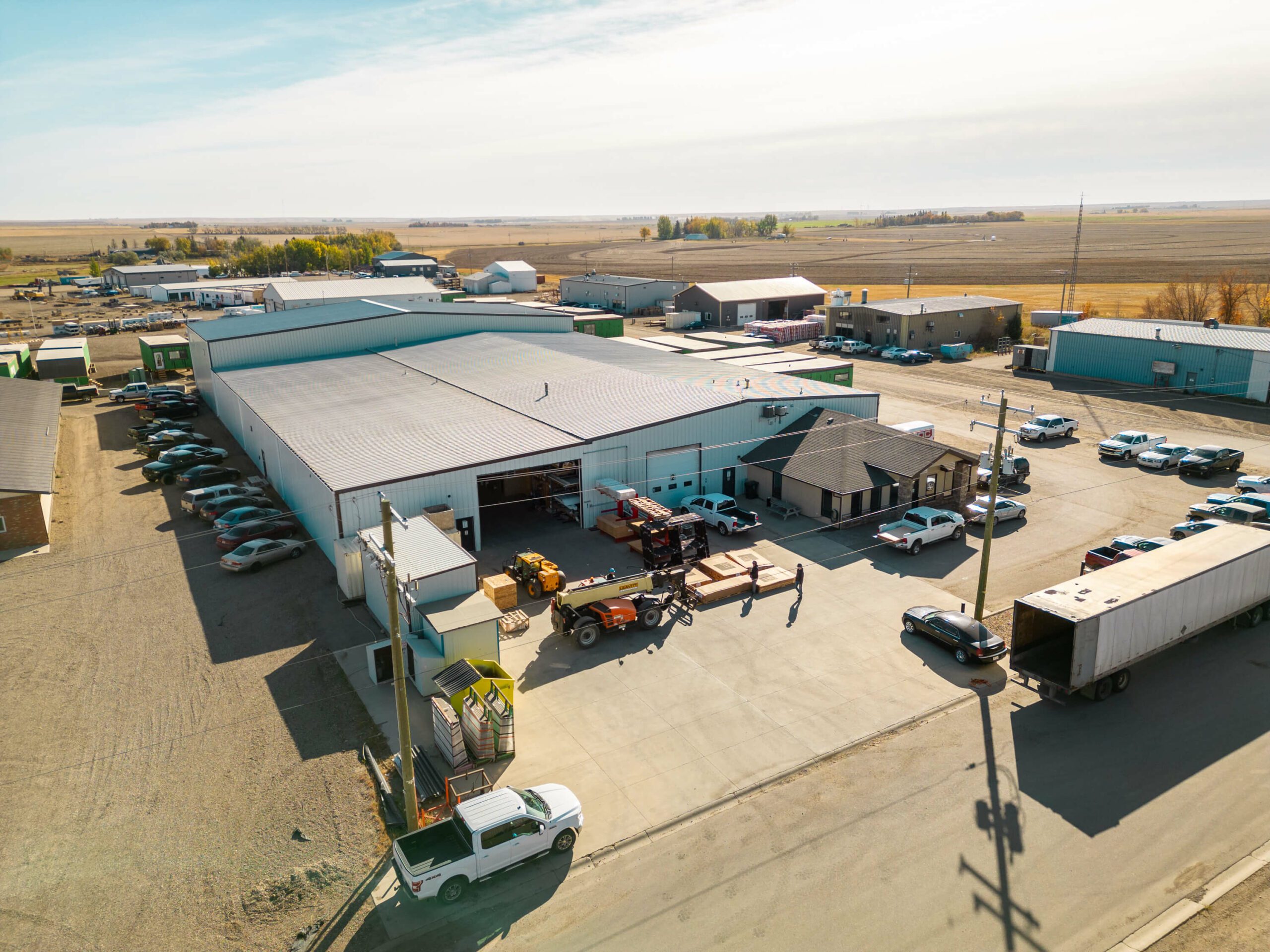
Check out our factory video to learn more about how modular housing is built off-site
What This Means for Delivery Partners
As BCH moves into full production, partners are no longer being evaluated on ideas. They’re being evaluated on execution capacity.
“Can you deliver at scale?”
“Can you coordinate logistics across jurisdictions?”
“Can you meet affordability requirements without sacrificing durability?”
“Can you hit schedules consistently?”
This is where manufacturing-led builders become essential.
How ROC Modular Fits This Moment
At ROC Modular, we build for production environments, not pilot projects. Our approach is designed for:
- Multi-site housing programs
- Predictable, repeatable delivery
- Early coordination with public sector partners
- Factory-first planning that reduces on-site risk
When housing moves into production mode, success depends on who can deliver consistently, not just who can design creatively.
Build Canada Homes has made it clear that Canada doesn’t need more housing CONCEPTS, it just needs home produced, shipped, and installed on schedule.
The Shift Canada Has Been Waiting For
Build Canada Homes represents a rare moment in public infrastructure: alignment. Land is ready, capital is committed, approvals are streamlined, and procurement is underway.
Now comes the most important part: delivery
As Canada enters this production phase, modular construction isn’t just a solution. It’s the mechanism that makes scale possible.
And this is the phase where experience matters most.